WWII Veterans Ride Historic Military Bikes Across Belgium
Dr. Annette Baumgartner ·
Listen to this article~5 min
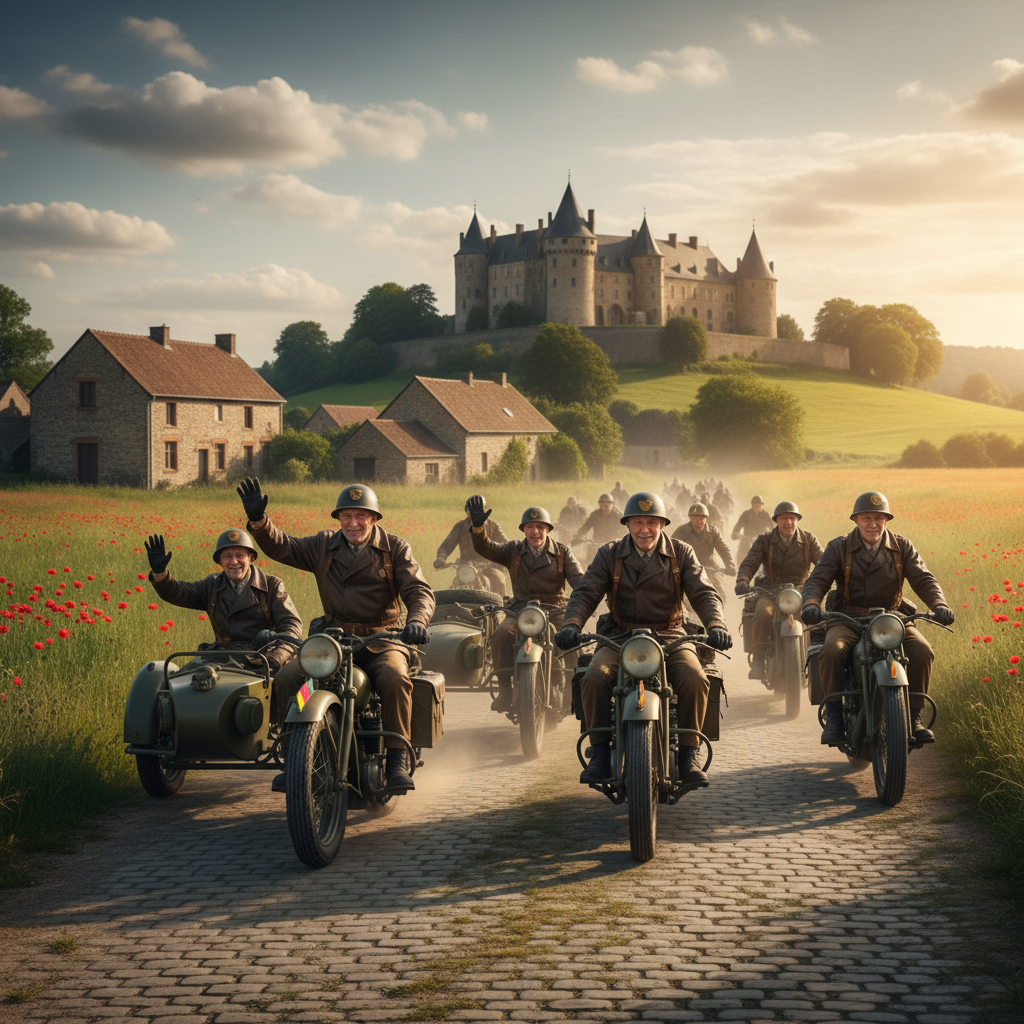
Belgian and Dutch veterans ride authentic WWII military bicycles along liberation routes, sharing firsthand stories to commemorate the 75th anniversary of freedom from Nazi occupation.
You know, sometimes history isn't just in books or museums. It's pedaling right down the road on a vintage military bicycle, with veterans sharing stories that give you goosebumps. That's exactly what's happening right now in Belgium and the Netherlands, as a remarkable journey unfolds to commemorate the 75th anniversary of liberation from World War II.
### The Journey of Remembrance
Imagine this: a group of Belgian and Dutch veterans, some in their 90s, riding authentic World War II-era military bicycles along routes that saw actual combat and liberation movements. These aren't just recreational bikes—they're rolling pieces of history, each with its own story to tell. The participants are covering hundreds of miles across regions that were pivotal during the 1944-1945 liberation campaigns.
The route isn't random. It follows actual paths taken by resistance fighters, Allied forces, and liberation troops. Every town they pass through has its own liberation story, and local communities are coming out to cheer them on, share memories, and keep those wartime experiences alive for younger generations.
### Why These Bicycles Matter
Those old military bikes might look simple, but they were crucial during the war. Soldiers used them for silent reconnaissance missions, messengers relied on them when radios failed, and resistance fighters transported supplies and information on these very models. Riding them today isn't just about nostalgia—it's about physically connecting with how people actually moved and operated during those tense years.
Here's what makes this journey special:
- Authentic equipment: Every bicycle is a restored original from the 1940s
- Living history: Veterans share firsthand accounts at stops along the route
- Cross-border unity: Belgian and Dutch participants riding together symbolizes the Allied cooperation that led to liberation
- Educational impact: Schools along the route incorporate the ride into history lessons
One veteran participant put it perfectly: "When I ride this bicycle, I'm not just remembering—I'm back there for a moment. The sound of the wheels, the feel of the handlebars, it all comes flooding back."
### The Personal Stories Behind the Pedals
What really hits home are the individual stories. There's the Dutch resistance fighter who used a similar bike to deliver underground newspapers. The Belgian woman who, as a child, watched Canadian troops roll through her village on bicycles just like these. The British veteran who returned to ride the same routes he patrolled as a young soldier.
These aren't distant historical figures—they're real people sharing experiences that shaped modern Europe. And they're doing it in the most tangible way possible: by getting back on the same type of transportation they used during those defining moments.
### Keeping History Alive for New Generations
Here's the thing that really gets me: this isn't just about looking backward. It's about making sure those hard-won lessons about freedom, sacrifice, and international cooperation don't get lost. When kids see 95-year-old veterans pedaling through their town on historic bikes, history stops being abstract dates in a textbook and becomes something real, something human.
The organizers have been smart about this too. They're not just doing a quiet memorial ride. They're creating events along the way—school visits, community gatherings, historical reenactments—that turn the journey into a moving classroom without walls.
### What This Means for Historical Preservation
This bicycle journey represents something important about how we remember difficult history. It's active, not passive. It's participatory, not observational. And it's deeply personal rather than institutional. By physically retracing these routes on period-accurate transportation, participants and observers alike get a tiny taste of what those liberation months actually felt like.
The weather isn't always perfect (they're riding through typical Belgian and Dutch conditions, after all), the bikes require constant maintenance, and the distances challenge even the fittest participants. But that's part of the point—liberation wasn't easy or comfortable either.
As the ride continues through various towns and countryside, it's creating a living timeline of the 1944-1945 liberation. Each day's route corresponds to actual historical events from that period, making the progression through geography mirror the progression through history.
There's something profoundly moving about watching these veterans, some needing assistance to mount their bicycles, pedaling forward together. It's a physical manifestation of resilience, memory, and the enduring bonds forged during those dark years. And honestly, it makes you think about what we're doing today to honor those sacrifices and protect those hard-won freedoms.