Vintage Military Bikes Tour WWII Liberation Sites in Belgium
Dr. Annette Baumgartner ·
Listen to this article~4 min
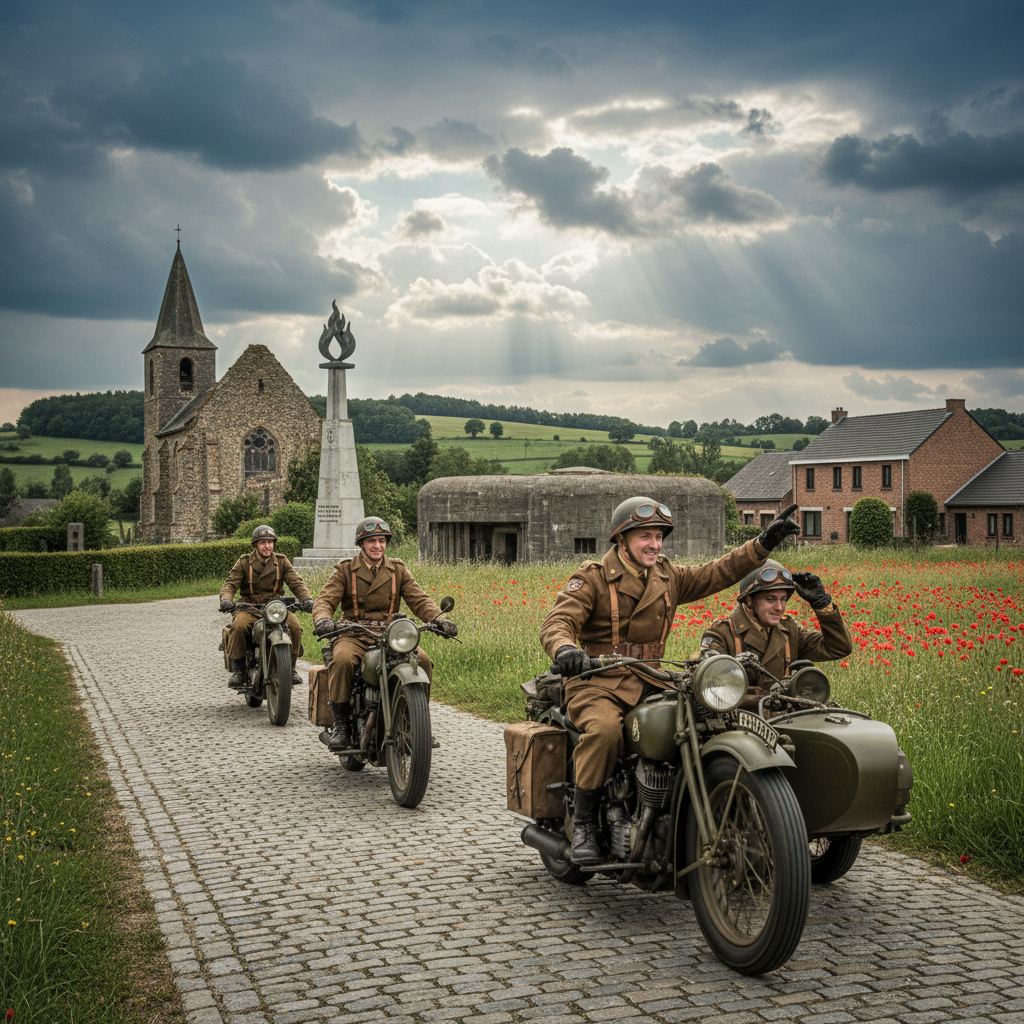
History enthusiasts tour Belgian WWII liberation sites on authentic 1940s military bicycles, commemorating the 75th anniversary in a uniquely immersive and physical way.
Picture this: a group of history enthusiasts, pedaling through the quiet Belgian countryside. But they're not on modern carbon-fiber bikes. They're riding authentic, heavy-duty military bicycles from the 1940s. This isn't just a tour; it's a rolling, breathing history lesson commemorating the 75th anniversary of Belgium's liberation from World War II.
Participants from Belgium and the Netherlands recently embarked on a unique journey. They explored a specially designed cycling route that winds through key sites from the 1944-1945 liberation period. The experience connects them physically and emotionally to the past in a way no museum ever could.
### Why Vintage Military Bikes?
You might wonder, why go through the trouble of sourcing and riding these old bikes? It's all about authenticity. These "oldtimerfietsen" are the same models used by soldiers and civilians during the war. They're heavy, often weighing over 40 pounds, with single-speed gearing and rugged frames built for rough terrain.
Riding one changes your entire perspective. You feel the effort it took to travel just a few miles. You understand the limitations of the era. It creates a tangible link to the stories of resistance fighters, Allied soldiers, and ordinary people navigating a world at war.
### The Route: More Than Just Scenery
The cycling route isn't chosen at random. It's a carefully curated path through living history. Key stops likely include:
- Bastogne and the Ardennes, site of the brutal Battle of the Bulge.
- Liberation monuments in towns freed by Allied forces in late 1944.
- Memorials dedicated to the Belgian resistance.
- Former airfields used by British and American forces.
Each stop provides context. Riders don't just see a field; they learn it was a makeshift landing strip. A quiet forest clearing becomes a remembered site of a hidden camp.
As one organizer put it, "We're not just telling history, we're letting people pedal through its echoes. The slow pace of the bike allows for reflection that a car ride never could."
### The Significance of 75 Years
This tour arrives at a poignant time. The 75th anniversary of the liberation is one of the last major milestones that will be witnessed by living veterans and survivors. These participants are, in a way, custodians of memory. By undertaking this physical challenge, they honor the much greater hardships endured by a generation.
The shared experience between Belgian and Dutch riders is also powerful. It underscores the shared history and collective trauma of the Low Countries during the war, fostering a deeper cross-border understanding.
### Could This Concept Travel?
It makes you think, doesn't it? While this event is specific to Belgium, the model is fascinating. Imagine similar historic bike tours on vintage models along the Normandy coast, or through the Italian countryside. It's a potent form of experiential history that could resonate with audiences in the United States and beyond, especially those with ancestral ties to these European battlefields.
The success of this event highlights a growing desire for immersive, active historical engagement. It moves beyond passive learning into the realm of physical commemoration. For the riders, the sore muscles at the end of the day are part of the remembrance—a small, personal sacrifice recalling far greater ones made 75 years ago for the freedom they enjoy today.