Veteran Bikes Ride WWII Liberation Route in Belgium
Dr. Annette Baumgartner ·
Listen to this article~4 min
Belgian and Dutch cyclists are retracing WWII liberation routes using authentic 1940s military bicycles. This moving tribute for the 75th anniversary connects participants to history in a uniquely tangible, physical way.
You know, sometimes history isn't just in books or museums. It's on two wheels, rolling down a quiet country road. That's exactly what's happening right now in Belgium and the Netherlands. A group of enthusiasts is retracing key World War II routes using authentic military bicycles from the 1940s. It's a moving tribute for the 75th anniversary of the liberation, and it connects people to the past in a uniquely tangible way.
### The Journey on Vintage Wheels
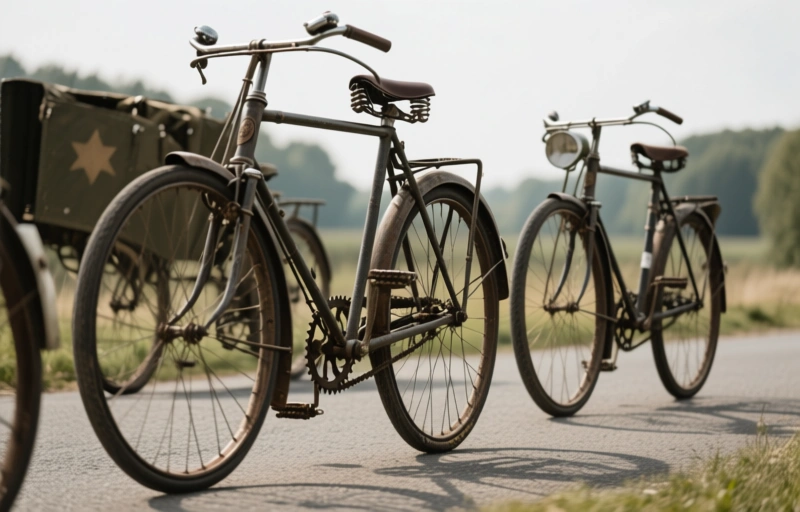
These aren't your average weekend bikes. We're talking about genuine 'military oldtimer' bicycles. Think heavy steel frames, simple gears, and that distinct, rugged look from an era when these were essential transport for soldiers. The riders, a mix of Belgians and Dutch, are following paths used during the pivotal years of 1944 and 1945. It's a physical journey that makes you think about the soldiers who once pedaled similar bikes under very different, and far more dangerous, circumstances.
Imagine the sound of those classic tires on the pavement. The feel of the handlebars. It's a completely different experience from reading a date in a textbook. This ride is about shared memory and honoring the complex history of the Tweede Wereldoorlog in the region. They're not racing. The pace is deliberate, allowing for reflection at significant landmarks and memorials along the way.
### More Than Just a Bike Ride
So, what's the real point of pedaling a 75-year-old bicycle for miles? It's about connection. For the participants, it's a personal link to their national histories. For observers, it's a striking visual reminder of a not-so-distant past. These bicycles were tools of war, and now they're tools of peace and education. The event naturally sparks conversations between generations.
- It creates a living, rolling memorial that communities can see and interact with.
- It educates in a hands-on way, especially for younger people who might see history as abstract.
- It fosters cross-border camaraderie between Belgium and the Netherlands, nations that shared the trauma of occupation and the joy of liberation.
As one rider put it, *"When you're struggling up a hill on this old bike, you get just a tiny, tiny sense of the exhaustion those liberating forces must have felt. It humbles you."* That sentiment is really at the heart of the whole endeavor.
### Why This Commemoration Matters Today
Anniversaries come and go. But the 75th year since the end of World War II in Europe feels particularly significant. The last living witnesses of that era are leaving us. Events like this bicycle tour help keep their stories—and the sheer scale of the sacrifice—alive in the public consciousness. It's a grassroots effort that doesn't require a fancy museum. Just some dedicated people, historic equipment, and the open road.
In an age of fast travel and digital everything, there's something powerfully slow and analog about this tribute. Each turn of the crank is a moment to remember. The route covers dozens of miles through towns and countryside that were once battlefields or sites of profound suffering and, eventually, hope. It transforms geography into a narrative. For history professionals and enthusiasts in the U.S. following European commemorations, this offers a unique case study in experiential heritage. It shows how physical reenactment, even a peaceful bicycle ride, can make history resonate on a deeply human level. The clatter of an old bike chain tells a story all its own.