Two Versions of the Same War: Belgium's Liberation Story
Dr. Annette Baumgartner ·
Listen to this article~4 min
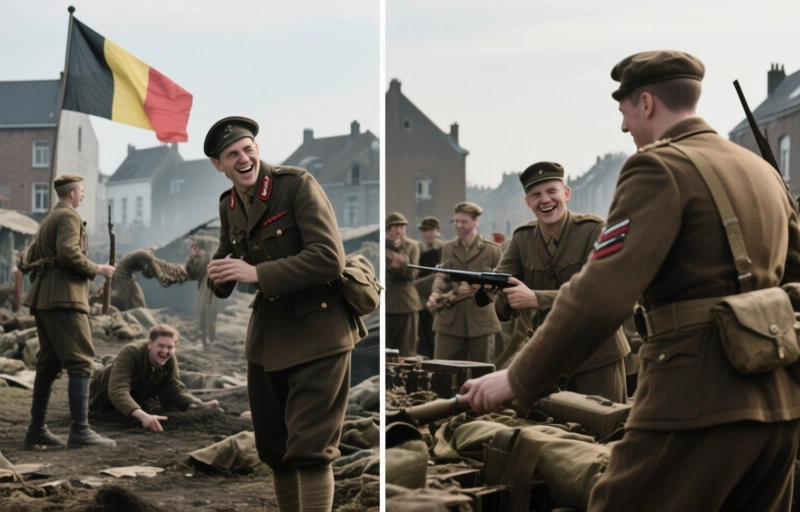
Explore the two contrasting versions of Belgium's liberation in 1944-1945: the triumphant official narrative of Allied victory and the harsh reality of civilian hardship, political division, and the brutal Battle of the Bulge.
When we think about World War II, we often imagine a single, unified story. But the reality is far more complex. In Belgium, the period of 1944-1945, the final years of the war, is remembered in ways that can feel like two completely different conflicts.
It's a topic that deserves a closer look, especially for those of us who study history or work in education and tourism. Understanding these different perspectives isn't just about the past; it's about how we build narratives today. Let's break it down.
### The Official Narrative: Liberation and Joy
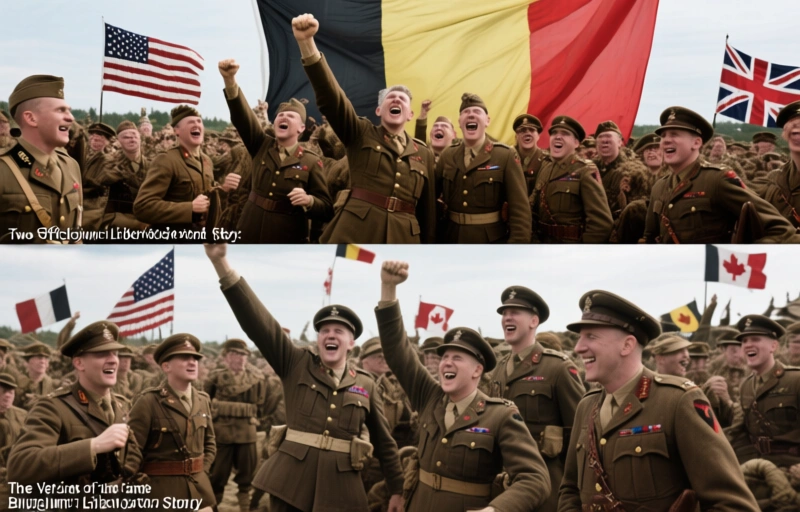
The most common version of Belgium's liberation story is one of triumph. Starting in September 1944, Allied forces, including American, British, and Canadian troops, swept through the country. Cities like Brussels and Antwerp were freed with cheering crowds lining the streets. This is the story of flags waving, champagne flowing, and a swift return to normal life.
This version highlights the role of the Allies and the Belgian resistance. It's a straightforward, feel-good story of good versus evil. It's the narrative you'll find in most museums and official commemorations. It focuses on the military strategy, the key battles, and the political transition back to a democratic government.
### The Other Side: Hardship and Division
But there's another side to this story, one that's less often told. For many Belgians, the "liberation" didn't feel like a single happy ending. The winter of 1944-1945 was brutal. The Battle of the Bulge, which raged in the Ardennes from December 1944 to January 1945, brought the war right back to Belgian soil.
- **Shortages and Scarcity:** Even after the initial liberation, food, coal, and other essentials were in short supply. The black market thrived, and many families struggled to survive the harsh winter.
- **Political Turmoil:** The return of the government from exile wasn't smooth. There were deep divisions between those who had collaborated with the Nazis, those who had resisted, and those who had simply tried to survive. This led to the "Royal Question," a political crisis over the return of King Leopold III that split the country for years.
- **The Human Cost:** The liberation was not bloodless. Allied bombings, though aimed at German positions, often caused civilian casualties. The clearing of minefields and the search for missing soldiers continued long after the official celebrations.
### Why This Matters Today
> "History is not a single story, but a conversation between the past and the present."
This quote reminds us that how we remember the war shapes our identity today. For professionals in the United States who work with Belgian history or heritage tourism, understanding this duality is crucial. When you design a tour or an educational program, you have to decide which story to tell - or how to tell both.
The official narrative is great for ceremonies and honoring veterans. But the more complex, human story is what resonates with modern audiences. It shows the messiness of real life, the courage of ordinary people, and the long road to recovery.
### Bringing It All Together
So, what's the takeaway? Don't settle for a single version of history. The best way to honor the past is to acknowledge its complexity. When you talk about Belgium's liberation in 1944-1945, mention both the celebrations and the struggles. Talk about the cold, the hunger, and the political divisions alongside the parades and the flags.
This balanced approach makes the history more real, more relatable, and ultimately more meaningful. It's not about diminishing the victory; it's about appreciating the full, human cost of it. And that's a story worth telling.