Nazi-Looted Artwork Found in Dinant Belgium
Dr. Annette Baumgartner ·
Listen to this article~4 min
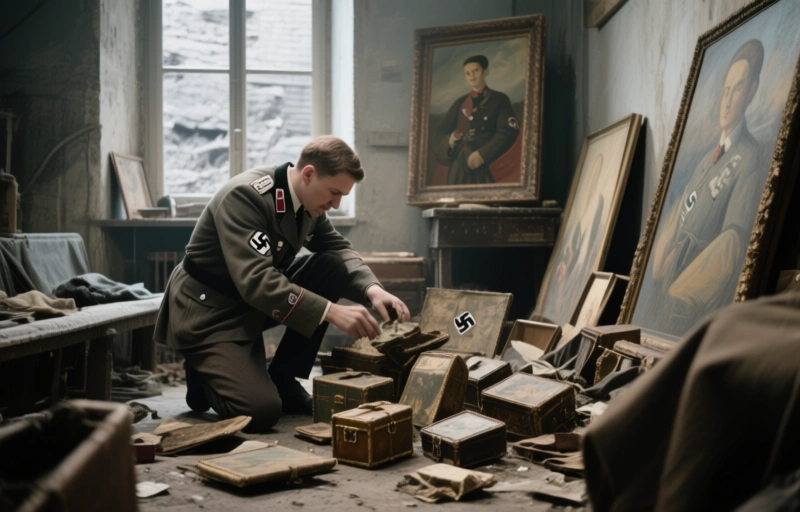
A Nazi-looted painting from WWII has been rediscovered in Dinant, Belgium, 75 years after liberation. Learn how this artwork was stolen, found, and what it means for history and restitution efforts today.
### A Long-Lost Masterpiece Surfaces
You might think stories of stolen art belong only in movies, but this one is very real. A painting that was looted by the Nazis during World War II has just been rediscovered in a small Belgian town. It's a powerful reminder that history's wounds can take decades to heal.
The artwork was found in Dinant, a picturesque city along the Meuse River. For years, it had been hidden in plain sight, its true origin unknown to its current owners. Now, historians and art lovers are celebrating its return to the spotlight.
### How Did the Nazis Steal It?
During the German occupation of Belgium from 1940 to 1944, countless pieces of art were confiscated from Jewish families and other targeted groups. The Nazis had a systematic plan to plunder cultural treasures across Europe. This particular painting was taken from its rightful owners, likely a Jewish family who fled or were deported.
The theft wasn't random. It was part of a larger effort to erase entire cultures and histories. The Nazis believed that by controlling art, they could control identity.
### The Long Road to Discovery
Fast forward 75 years after Belgium's liberation. A routine investigation by a dedicated team of art detectives led to the breakthrough. They traced the painting's provenance through old records, auction house catalogs, and faded photographs.
- The painting was identified using a combination of archival research and forensic analysis.
- Experts compared it to photos from pre-war exhibitions.
- The current owner had no idea of its dark past.
It's a slow, painstaking process. But for the families who lost everything, every recovered piece is a small victory.
### Why This Matters Today
This isn't just about a single painting. It's about justice, memory, and the ongoing effort to right historical wrongs. Belgium, like many European nations, is still grappling with the legacy of the Holocaust.
> "Every recovered artwork is a thread pulled from the fabric of stolen lives. It reminds us that history is not just dates and events, but real people and their belongings."
For American professionals in the field of WWII studies or art restitution, this case offers valuable lessons. It shows that persistence and collaboration across borders can yield results, even decades later.
### What Happens Next?
The painting will now undergo a formal restitution process. Experts will work to identify the original owners or their descendants. If no living heirs are found, the artwork may be donated to a museum where it can be properly displayed and contextualized.
This case also highlights the importance of digital databases and international cooperation. Organizations like the Holocaust Art Restitution Project and the Commission for Looted Art in Europe are leading the charge.
### A Personal Reflection
I've spent years studying how World War II shaped modern Europe, and stories like this still give me chills. They remind us that the past is never truly gone. It's buried under layers of time, waiting to be uncovered.
For those of us in the United States, it's easy to think of the war as something distant. But the artifacts and memories are still alive, especially in places like Dinant. If you ever visit Belgium, take a moment to walk through its old towns. You never know what history is hiding in plain sight.