The Last-Minute Tank Battle: Liberating Winterswijk in WWII
Dr. Annette Baumgartner ·
Listen to this article~4 min
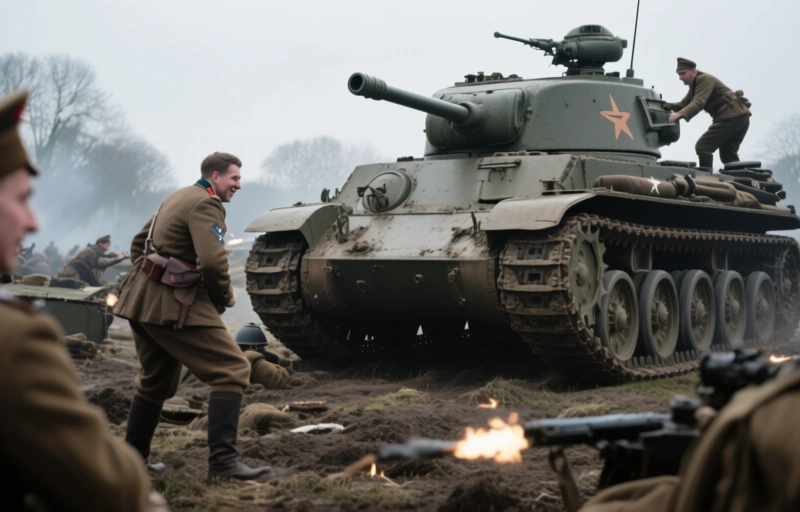
81 years ago, a fierce last-minute tank battle liberated the Dutch town of Winterswijk in WWII's final days. Explore this forgotten clash and its meaning.
You know, sometimes history hinges on moments that feel almost accidental. A last-minute scramble, a desperate push, a battle fought when everyone thought the big fights were over. That's exactly what happened 81 years ago in the small Dutch town of Winterswijk.
This wasn't a headline-grabbing D-Day operation. It was a final, fierce tank battle on the very doorstep of liberation. As Allied forces swept across Europe in the spring of 1945, pockets of German resistance held out, determined to fight to the bitter end.
### The Fight for a Border Town
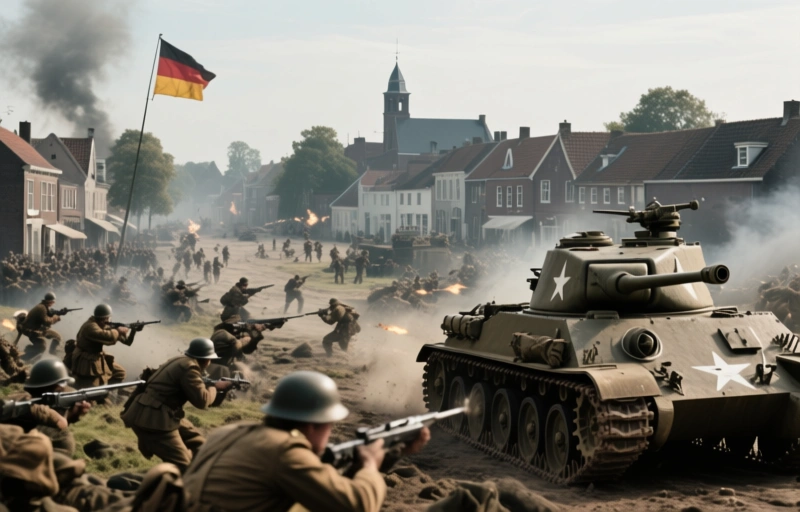
Winterswijk, sitting near the German border, became one of those stubborn pockets. The town's liberation didn't come easily or quickly. It was preceded by intense fighting as Canadian and British forces, part of the larger push to finally end Nazi occupation in the Netherlands, encountered unexpectedly fierce opposition.
Think about the sheer exhaustion on both sides by April 1945. The war in Europe was clearly winding down. Yet, here were soldiers, tank crews, and civilians caught in one more violent eruption. The battle was characterized by close-quarters combat in the town's streets and a decisive armored engagement that ultimately broke the German defense.
- **The Element of Surprise:** The attack came late in the campaign, a final violent spasm before the silence of peace.
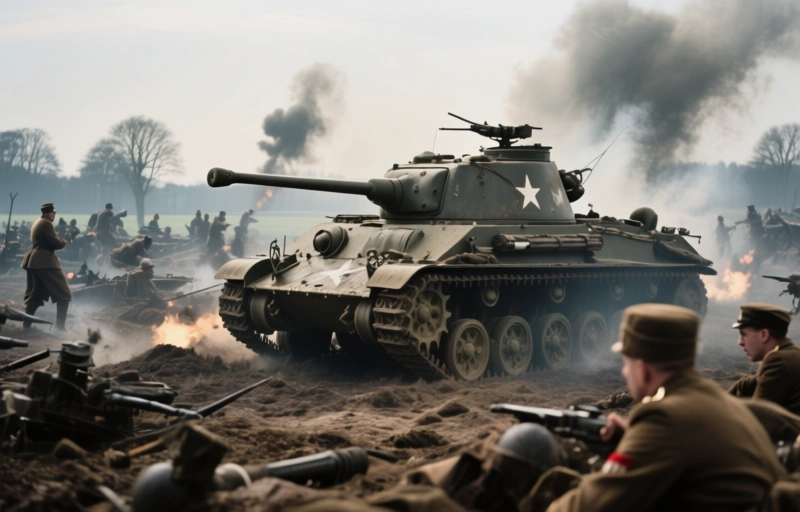
- **Armored Clash:** Tanks played a central role, their thunder echoing through streets where liberation was just hours away.
- **The Human Cost:** As with every battle, the price was paid in lives and a scarred landscape, a reminder that peace is never free.
### Why This Battle Still Matters
It's easy to focus only on the major turning points. But stories like Winterswijk's are vital. They remind us that the end of a war isn't a single moment, but a painful, drawn-out process of reclaiming every town, every street, every home. For the people of Winterswijk, their personal D-Day happened in those tense, chaotic hours of that tank battle.
These local liberations were the final pieces of a continent-sized puzzle. Each one restored freedom to a community that had lived under oppression for years. The soldiers who fought there weren't just securing a map coordinate; they were returning a sense of normalcy, safety, and sovereignty to ordinary people.
As one historian later reflected, "The last battles are often forgotten, but for those who lived through them, they were the most defining." The liberation of Winterswijk was the definitive end of a long nightmare for its residents.
### A Legacy of Remembrance
Today, 81 years later, the people of Winterswijk and the Netherlands continue to honor this history. Anniversaries are observed, stories are passed down, and the sacrifices are remembered. It's part of a broader tapestry of remembrance for the 75th anniversary of the liberation of the Low Countries.
For professionals and historians in the United States studying this era, engagements like this offer a crucial micro-view. They provide insight into the tactical challenges of the war's final phase, the state of German defenses, and the immediate impact of liberation on civilian populations. It was the hard, gritty work of ending a world war, one town at a time.
Understanding these final battles completes the picture of Allied victory. It wasn't just about crossing the Rhine or capturing Berlin. It was also about the last-minute tank battle in Winterswijk, a fierce fight on the valreep—the very brink—of peace. That fight ensured that when the silence finally fell, it was the silence of freedom.