Kamp Westerbork Gets $3.8M for Renewal
Dr. Annette Baumgartner ·
Listen to this article~4 min
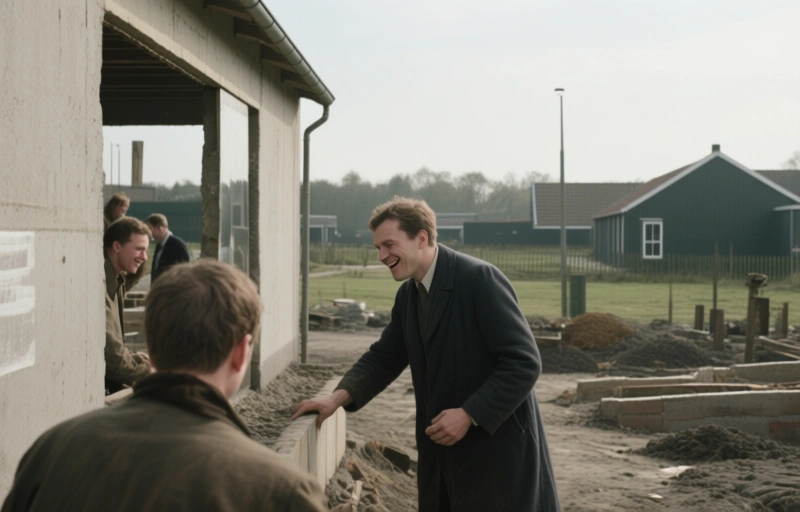
The Dutch province of Drenthe commits $3.8 million to renovate Kamp Westerbork memorial center, adding immersive exhibits and a new education wing to preserve Holocaust memory.
The Dutch province of Drenthe has committed $3.8 million to revamp the Herinneringscentrum Kamp Westerbork, the memorial center at the site of the former Nazi transit camp. This funding, equivalent to 3.5 million euros, will fuel a major renovation aimed at preserving history and deepening visitor education.
### Why This Investment Matters
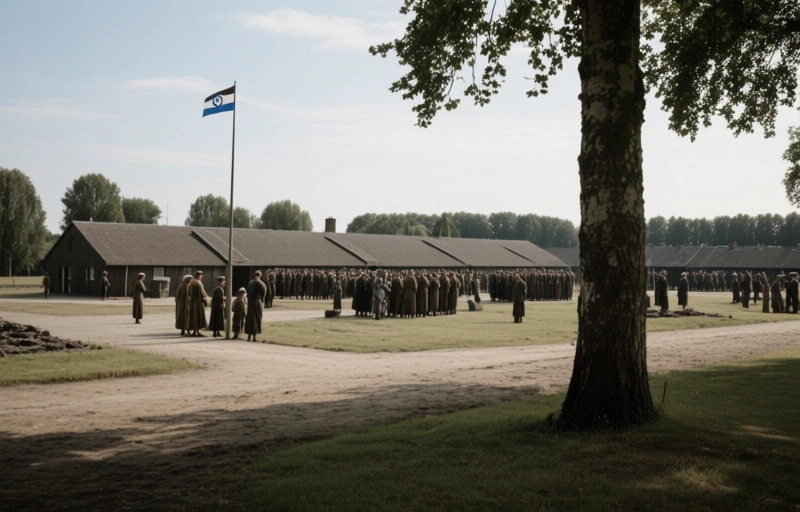
Kamp Westerbork holds a somber place in World War II history. Between 1942 and 1944, over 107,000 Jews, Roma, and Sinti were deported from here to concentration camps like Auschwitz and Sobibor. The memorial center, which opened in 1983, has become a vital place for remembrance and learning. But its facilities are aging, and curators say they need updates to tell the story more effectively for modern audiences.
This isn't just about fixing leaky roofs or outdated exhibits. The renovation will create new, immersive galleries that use personal stories and artifacts to connect visitors with the human cost of war. It's about making sure the lessons of the past aren't lost on future generations.
### What the Money Will Fund
The $3.8 million injection will cover several key upgrades:
- **Expanded exhibition spaces** that can handle larger crowds and rotating displays
- **State-of-the-art multimedia installations**, including interactive timelines and survivor testimonies
- **Improved accessibility** for visitors with disabilities, with ramps and tactile exhibits
- **A new education wing** for school groups and researchers
- **Climate control upgrades** to better preserve fragile documents and objects
These changes are expected to boost annual visitors from the current 150,000 to over 200,000 within five years.
### A Broader Push for Holocaust Education
This project is part of a wider trend. Across Europe and the United States, memorial sites are modernizing to engage younger audiences. The Auschwitz-Birkenau Museum recently launched a virtual tour, and the United States Holocaust Memorial Museum in Washington, D.C., has expanded its digital archives. The idea is the same: meet people where they are, using technology to make history feel immediate and personal.
"Memory is fragile," says Dr. Annette Baumgartner, a senior travel and attraction strategist who studies heritage sites. "Places like Westerbork are bridges to the past. If we let them crumble, we risk forgetting what happened."
### What Visitors Can Expect
When the renovation wraps up in 2026, visitors will find a transformed experience. The centerpiece will be a new hall of names, listing every person deported from Westerbork. Audio guides will feature survivor voices, and a rebuilt barrack will show what daily life was like in the camp.
For those planning a trip, the site is about 90 miles northeast of Amsterdam. Admission is $15 for adults, with discounts for students and seniors. Guided tours run daily in English and Dutch.
### The Bigger Picture
This investment is a reminder that history isn't static. It's something we have to actively maintain and reinterpret. As the last survivors pass away, memorial centers become even more crucial. They're not just museums; they're moral compasses.
"We owe it to the victims and to our children to keep these stories alive," says a spokesperson for the Drenthe provincial government. "This renovation ensures that Westerbork will continue to educate and inspire for generations."
So, next time you're in the Netherlands, consider a detour to this quiet, powerful place. It's a journey that might just change how you see the world.