Hidden WWII Tank Trap in Belgium Becomes Tourist Attraction
Dr. Annette Baumgartner ·
Listen to this article~4 min
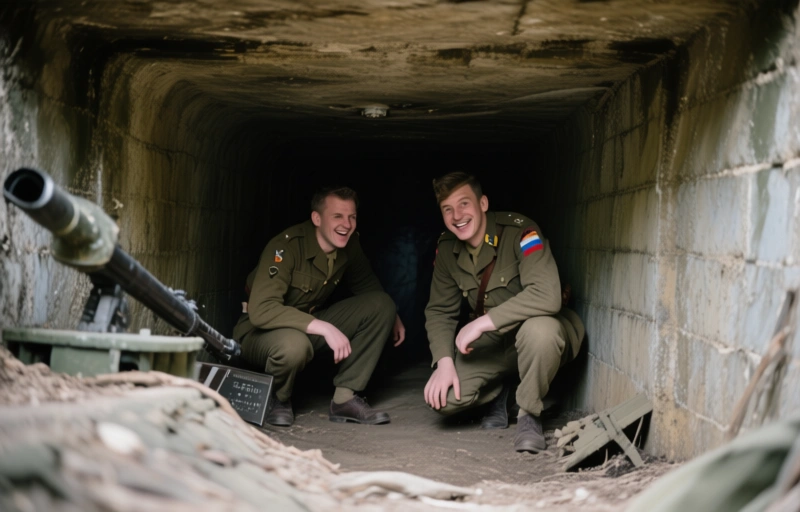
A hidden WWII anti-tank ditch in Zonhoven, Belgium, is being preserved as a tourist attraction, offering a tangible link to the 75th anniversary of the country's liberation.
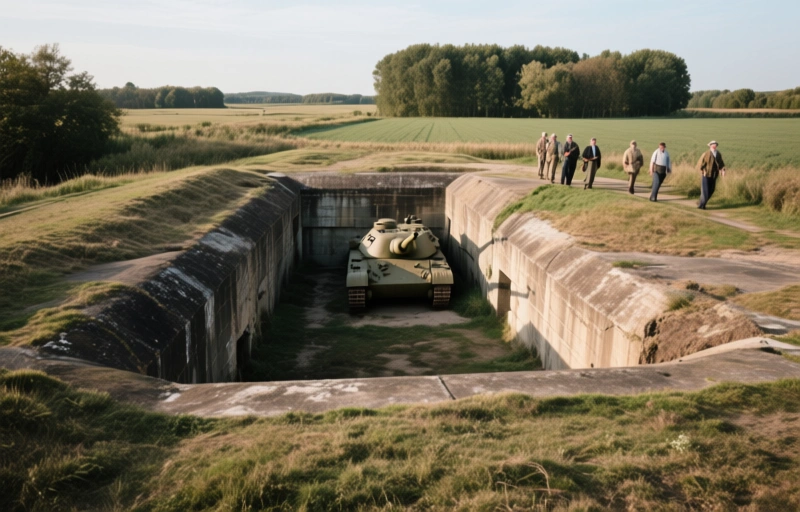
You know, sometimes history isn't just in museums or textbooks. It's right there under your feet, waiting to be rediscovered. That's exactly what's happening in Zonhoven, Belgium, where a forgotten piece of World War II history is getting a second life. A hidden anti-tank ditch, built by German forces in 1944, is being transformed into a unique tourist attraction. It's a tangible connection to the 75th anniversary of Belgium's liberation, and it tells a story that's both local and globally significant.
### The Discovery on De Teut
For decades, this defensive structure was just part of the landscape on De Teut, a nature reserve. Locals might have known it was there, but its full story was buried. These ditches, known as 'tank traps' or 'tank ditches,' were a desperate last-ditch effort. As Allied forces pushed east after D-Day, German troops scrambled to fortify positions. They dug these obstacles to slow down advancing tanks, creating a deadly line of defense. Finding one so well-preserved is rare. It's a silent, grassy scar that speaks volumes about the war's final, frantic months in this region.
### Why This Matters for History Buffs
This isn't just a hole in the ground. It's a primary source. Walking along its edges, you can almost hear the echoes of history. You can visualize the soldiers who built it and the liberators who faced it. For professionals and enthusiasts focused on the 1944-1945 period in Belgium, this site offers raw, unfiltered context. It moves the narrative beyond dates and generals and down to the dirt and sweat of warfare. The project aims to preserve this authenticity while making it accessible. Think informational signs, maybe a walking path—ways to understand without overwhelming the site's solemn power.
### A New Chapter for Heritage Tourism
So, what does turning a tank trap into an attraction actually look like? The goal is thoughtful integration. The plan isn't to build a theme park. It's about respectful interpretation. This approach aligns with a growing trend in heritage tourism, where visitors seek authentic, impactful experiences. They want to stand where history happened. This site delivers that. It connects the broader story of 'Belgium Remembers' to a specific, physical location you can visit. It adds a crucial, often overlooked layer—the defensive preparations—to the liberation narrative.
Here’s what the development will likely focus on:
- **Preservation First:** Stabilizing the ditch to prevent erosion and decay.
- **Contextual Learning:** Installing discreet panels explaining the tactical purpose and historical moment.
- **Guided Experiences:** Offering tours that tie the site to the larger 75 Jaar Bevrijding (75 Years Liberation) commemorations.
- **Natural Integration:** Ensuring the attraction complements the existing nature reserve, not conflicts with it.
The work is a collaboration between local historians, conservationists, and tourism officials. It’s a balancing act. They need to make history engaging without becoming disrespectful. It’s a challenge, but when done right, it can be incredibly powerful. As one project advisor noted, *"These places hold memory in the soil. Our job isn't to create spectacle, but to provide a space for that memory to be encountered."*
### Planning Your Visit
If you're in the United States planning a historical trip to Belgium, this is the kind of deep-cut site that makes a journey special. While major cities and battlefields get the crowds, spots like the Zonhoven tank ditch offer quiet reflection. It’s a reminder that the war touched every corner. When it opens, expect a low-key, educational visit. Wear good walking shoes for the heathland terrain. Pair it with other liberation trail sites in Limburg for a full day of exploration. This is living history, not behind glass, but right there in the open air, waiting to share its story with a new generation.