Hidden WWII Tank Trap in Belgium Becomes Tourist Attraction
Dr. Annette Baumgartner ·
Listen to this article~4 min
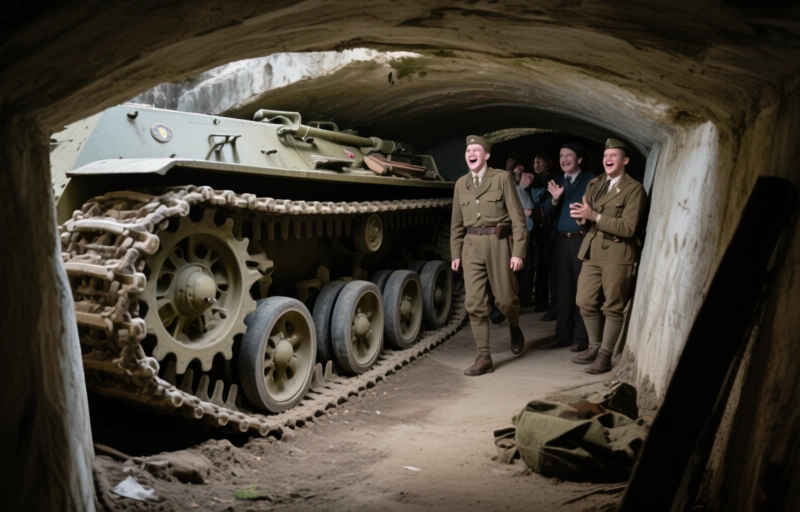
A forgotten WWII anti-tank ditch discovered in Belgium's Teut nature reserve is being preserved as a historical tourist attraction, marking the 75th anniversary of liberation.
You know how sometimes you're walking through the woods and you stumble across something that just stops you in your tracks? That's exactly what happened to hikers in Zonhoven, Belgium. They found a massive, forgotten relic from World War II—a hidden anti-tank ditch, or 'tank trap,' carved right into the landscape of the Teut nature reserve.
For decades, this piece of history was just... there. Overgrown, hidden by nature, and known mostly to locals with long memories. But now, it's getting a second life. The local government and heritage groups have decided to preserve it and turn it into an official historical site and tourist attraction. It's part of a bigger push to remember the 75th anniversary of Belgium's liberation from 1944-1945.
### What Was This Tank Trap For?
Let's rewind for a second. In the final, chaotic months of World War II, as Allied forces pushed eastward after D-Day, German troops were desperate to slow them down. One of their tactics was to create defensive lines using the natural terrain. They'd dig these huge ditches—sometimes over 10 feet deep and 15 feet wide—right across roads or open fields. The idea was simple: stop the advancing Allied tanks in their tracks.
The trap on the Teut was part of that last-ditch defense. It was meant to block a key route. Finding it now is like uncovering a silent, physical chapter of the war that most history books just talk about in words.
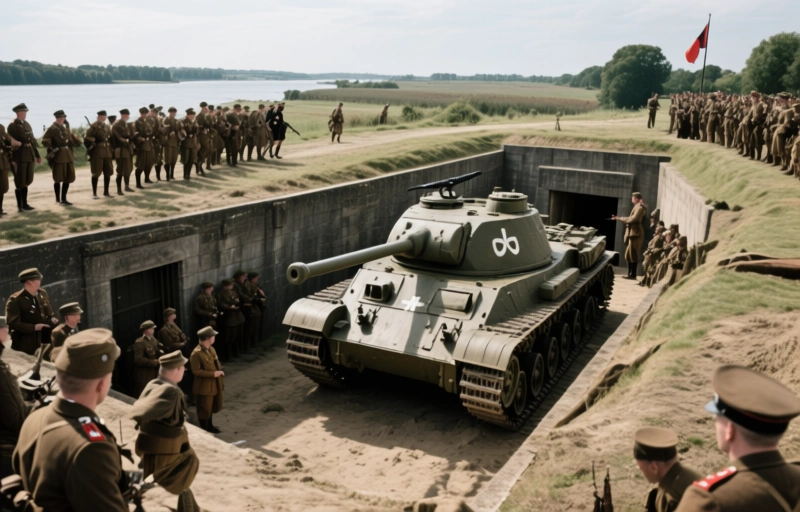
### Why Preserve a Hole in the Ground?
That's a fair question. Why not just fill it in? Well, it's more than just a hole. It's a tangible connection to a pivotal moment. For historians and veterans' groups, sites like this are irreplaceable. They help us understand the scale and the desperation of those final battles. For families whose relatives fought or lived through the war, it's a place of remembrance.
As one local historian put it: "These scars on the land tell a story that monuments sometimes can't. They show the immediacy, the urgency of war."
Turning it into an attraction means:
- Safeguarding the site from being lost forever to development or erosion.
- Creating an educational spot for schools and history buffs.
- Adding a unique, off-the-beaten-path destination for the growing field of WWII tourism.
### What Visitors Can Expect
So, what will it actually be like to visit? Plans are still being finalized, but the goal is for a respectful, informative experience. Think more historical park than theme park.
- **Walking Trails:** New paths will guide visitors safely around the site, with viewpoints to see the full scale of the ditch.
- **Information Panels:** Expect signs explaining the historical context, the Battle of the Bulge, and what soldiers on both sides experienced here.
- **Minimal Development:** The focus is on preservation. You won't find gift shops or loud recreations. The power is in the site itself—the quiet, somber feeling of standing in a place shaped by conflict.
It's part of a wider trend in Belgium and across Europe. There's a real desire to preserve these lesser-known sites before the generation that remembers them is gone. It's about keeping history alive, not just in museums, but in the very landscape.
If you're planning a trip focused on WWII history, this is the kind of authentic site that makes the journey special. It's raw, it's real, and it tells a powerful story without saying a word. Just remember to wear good walking shoes and take a moment to reflect on what happened there over 75 years ago.