Commemorating 75 Years of Liberation in Belgium
Jessica Albright ·
Listen to this article~4 min
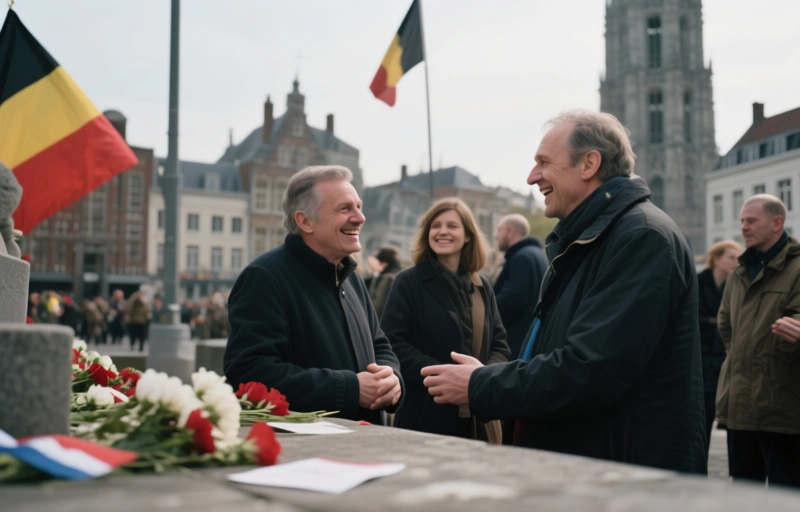
Reflecting on 75 years since Belgium's liberation in WWII. This anniversary connects personal stories of courage to our present values, exploring how we honor the past and carry its lessons forward.
You know, when we talk about liberation, it's not just a date in a history book. It's about the moment a collective breath was finally released after years of holding it in. For Belgium, that moment came in 1944-1945, and now, 75 years later, we're still learning from it, still honoring it. The journey from occupation to freedom is a story that deserves to be told, not just remembered.
It's easy to think of history as something that happened to other people, in another time. But when you really listen, you realize these stories are about neighbors, about streets you might walk down today. They're about choices made under impossible pressure, and the quiet courage that rebuilds a nation piece by piece. That's what we're commemorating.
### Why This Anniversary Matters More Than Ever
Anniversaries have a way of making us stop and think, don't they? A 75th anniversary is particularly powerful. It sits at a crossroads where living memory meets historical legacy. The veterans who were there are fewer now, which means our responsibility to carry their stories forward grows heavier, and more precious.
We're not just looking back. We're using this milestone to ask what 'liberation' really means for us today. It's about more than just military victory. It's about the values that were fought for—democracy, human dignity, peace. These aren't abstract concepts. They're the foundation of the society we live in right now.
### The Personal Stories Behind the History
History, at its heart, is personal. Think about it:
- The family hiding neighbors, knowing the risk
- The local journalist printing underground newspapers
- The relief on a child's face seeing an allied soldier for the first time
These aren't grand, sweeping narratives. They're human-scale moments of fear, hope, and resilience. They remind us that history is built by ordinary people making extraordinary choices. That's the thread that connects 1944 to today.
As one historian I admire often says, 'We don't study the past to live in it, but to understand the path that led us here, and to choose wisely where we go next.' That perspective shifts commemoration from passive remembrance to active engagement.
### How We Keep the Legacy Alive
So how do you honor 75 years? It starts with listening. Seek out the stories from your own community. Many towns and cities across Belgium have local archives, historical societies, or even families willing to share. These firsthand accounts are irreplaceable.
Then, it's about conversation. Talk about it with younger generations. Discuss what freedom requires of us, not just what it gives us. That dialogue is how memory becomes meaning. It's how we ensure that the lessons of the past aren't lost, but instead, inform our future.
Commemoration isn't a one-day event. It's a continuous process of reflection and education. It's in the school curriculums, the museum exhibits, the quiet moments of gratitude. It's understanding that the peace we often take for granted was hard-won, and deserves our vigilant care.
Looking back at 75 years of liberation, we see a tapestry of sacrifice and renewal. It's a story that belongs to all of us, a shared chapter in our national story that continues to shape who we are. By remembering thoughtfully, we don't just honor the past—we commit to building a future worthy of that sacrifice.