Belgium's Dark Collaboration: Organisation Todt Exposed
Dr. Annette Baumgartner ·
Listen to this article~4 min
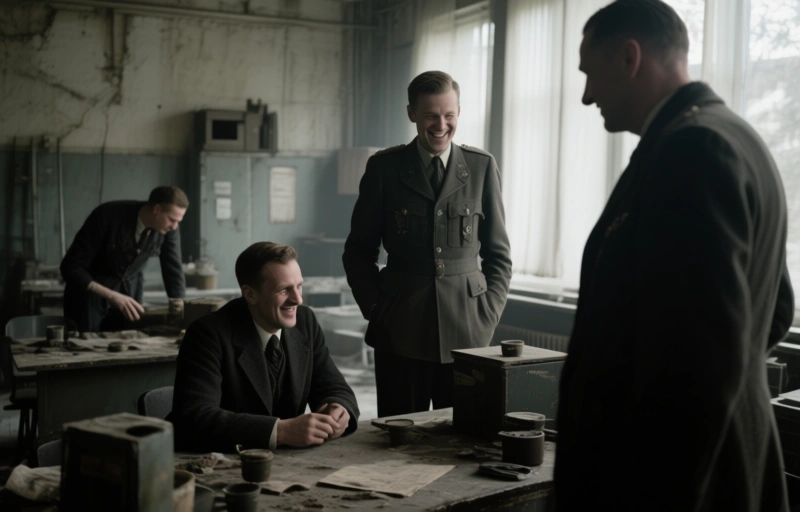
Explore the untold story of Organisation Todt in Belgium during WWII, from forced labor to collaboration. A complex legacy 75 years after liberation.
When we think about World War II in Belgium, our minds often jump to the Battle of the Bulge or the bravery of the resistance. But there is a darker, less talked-about chapter that involves the notorious Organisation Todt and the Belgians who worked with them. This is a story of forced labor, survival, and moral compromise that still echoes today.
### What Was Organisation Todt?
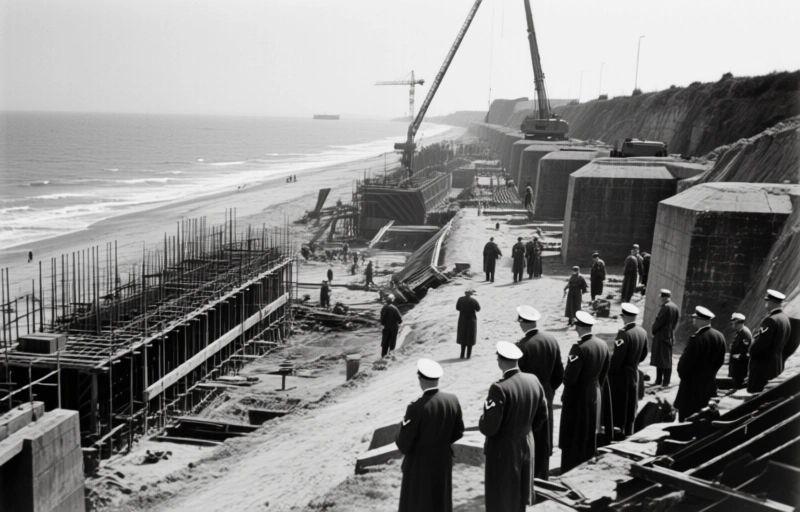
Organisation Todt, or OT, was a massive engineering and construction group that worked for Nazi Germany. They were the ones building the Atlantic Wall, bunkers, and military roads across occupied Europe. In Belgium, they didn't just rely on German engineers. They leaned heavily on local workers, some of whom were volunteers, but many were forced into service.
Think about that for a second. You are living in your own country, under occupation, and suddenly you are ordered to build fortifications for the enemy. That is the reality thousands of Belgians faced. The OT paid wages, but they were low, and conditions were harsh. Workers often put in 10 to 12 hour days with minimal breaks, all while Allied bombs rained down.
### The Role of Belgian Collaborators
Not everyone who worked for Organisation Todt was a victim. Some Belgians actively collaborated. They saw it as a way to gain power, money, or favor with the Nazis. These collaborators helped recruit workers, managed labor camps, and even enforced discipline. It is a painful part of Belgian history that many would rather forget.
Why did they do it? For some, it was ideological. They believed in the Nazi cause. For others, it was pure opportunism. The war created chaos, and some people used it to climb the social ladder. But whatever their reasons, their actions had real consequences. Thousands of Belgians were sent to labor camps in Germany, and many never came back.
### The Human Cost
Here is where the story gets personal. Imagine being a young Belgian man in 1943. You are 22 years old, working on a farm in Flanders. One day, the police show up with a German officer. You are told you are now working for Organisation Todt. You are taken to a construction site near the coast, where you spend the next 18 months digging trenches and mixing concrete. You sleep in a cold barracks with 50 other men. You eat watery soup and stale bread. You watch friends get sick and die.
That was the reality for many. The OT was not a volunteer organization. It was a machine that consumed human lives. By 1944, over 100,000 Belgians had been forced into labor for the Nazis. The work was dangerous, and accidents were common. Allied bombing raids targeted these construction sites, and workers were often caught in the crossfire.
### The Legacy 75 Years Later
Today, Belgium remembers this period with mixed feelings. There are monuments to the resistance, but few for the workers of Organisation Todt. Why? Because the story is complicated. Some workers were heroes who sabotaged projects. Others were collaborators who profited from the suffering. Most were just ordinary people trying to survive.
Here is what we can learn from this history:
- War forces impossible choices on ordinary people
- Collaboration is rarely black and white
- The true cost of conflict is measured in human lives, not just battles
- Remembering all parts of history, even the ugly ones, helps us build a better future
As we mark 75 years since Belgium's liberation in 1944-1945, it is worth reflecting on these stories. They remind us that freedom is precious, and that the line between victim and perpetrator can be terrifyingly thin. The Organisation Todt may be gone, but the questions it raises about duty, survival, and morality are as relevant today as they were in the 1940s.