Belgium's Biggest Construction Challenge Since WWII
Dr. Annette Baumgartner ·
Listen to this article~4 min
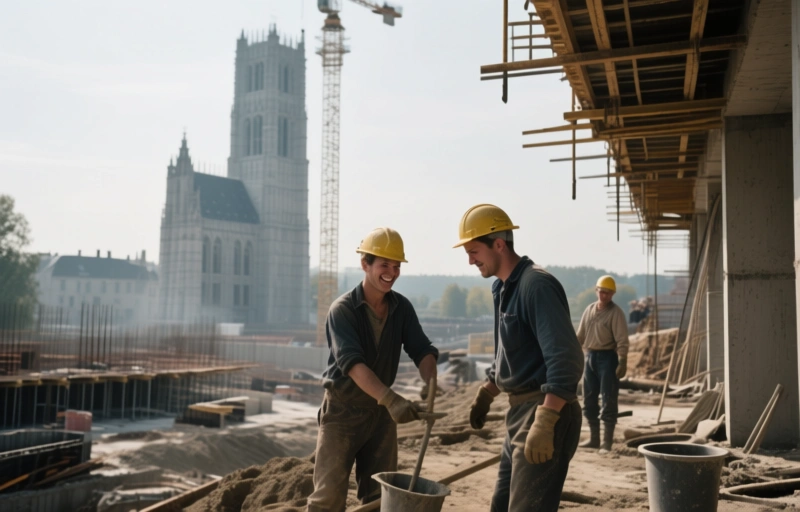
Belgium faces its largest construction and renovation challenge since WWII, driven by aging infrastructure, climate goals, and demographic shifts. This historic undertaking will reshape the nation's built environment.
Belgium is facing its most significant building and renovation challenge since the end of the Second World War. That's not hyperbole—it's the reality shaping the nation's infrastructure, housing, and urban planning today. The scale is immense, touching every corner of the country and affecting how people live, work, and move.
Think about it for a second. The post-war reconstruction of the 1940s and 50s defined modern Belgium. Now, we're at another pivotal moment. The needs are different, but the urgency feels familiar. Aging buildings, climate goals, and shifting populations are creating a perfect storm that demands a massive response.
### What's Driving This Unprecedented Demand?
It's not just one thing. Several powerful forces have converged to create this historic challenge. First, there's the sheer age of the building stock. A huge portion of Belgium's homes and commercial buildings were constructed decades ago and now require major energy upgrades and structural renovations.
Then you have the pressing climate targets. Belgium, like the rest of Europe, is committed to drastic carbon reduction. That means retrofitting millions of buildings for energy efficiency isn't optional—it's essential for meeting those binding international agreements.
Let's not forget demographic shifts. Urban areas are growing, requiring new housing solutions and updated public spaces, while some regions need revitalization. The infrastructure itself, from roads to utilities, needs modernization to support a 21st-century economy.
- Aging building stock requiring energy and safety upgrades
- Climate change mandates and carbon reduction targets
- Population growth and changing urban/rural dynamics
- Outdated infrastructure needing comprehensive modernization
### The Practical Hurdles on the Ground
Okay, so we know *why* this is happening. But actually getting it done? That's where things get complicated. There's a significant shortage of skilled labor in the construction trades. Finding enough qualified workers for projects of this scale is a major bottleneck that could slow everything down.
Material costs and supply chain issues continue to create uncertainty. Budgets planned today might not cover expenses next year, making large-scale planning incredibly difficult for both public and private sectors. The financing models for such a vast undertaking are still being worked out.
"We're not just repairing buildings—we're rebuilding the foundation of our communities for the next fifty years," notes one urban planner familiar with the national strategy. The regulatory environment needs to keep pace too, balancing necessary oversight with the urgency of action.
### Looking Toward Solutions and Opportunities
Despite the challenges, this moment presents tremendous opportunity. It's a chance to build smarter, more sustainable communities from the ground up. Innovation in construction technology, like modular building and green materials, can help accelerate progress and control costs.
There's potential for job creation and economic stimulus across multiple sectors. Training programs for the next generation of builders, engineers, and architects will be crucial. The focus isn't just on construction—it's on creating spaces that improve quality of life and community resilience.
Success will require unprecedented collaboration between government, industry, and citizens. The decisions made now will shape Belgium's landscape for generations, much like those made by the reconstruction generation after 1945. It's a daunting task, but also an inspiring one that calls for vision, determination, and collective effort.