Belgium's WWII Liberation: 75 Years of Memory & Struggle
Dr. Annette Baumgartner ·
Listen to this article~5 min
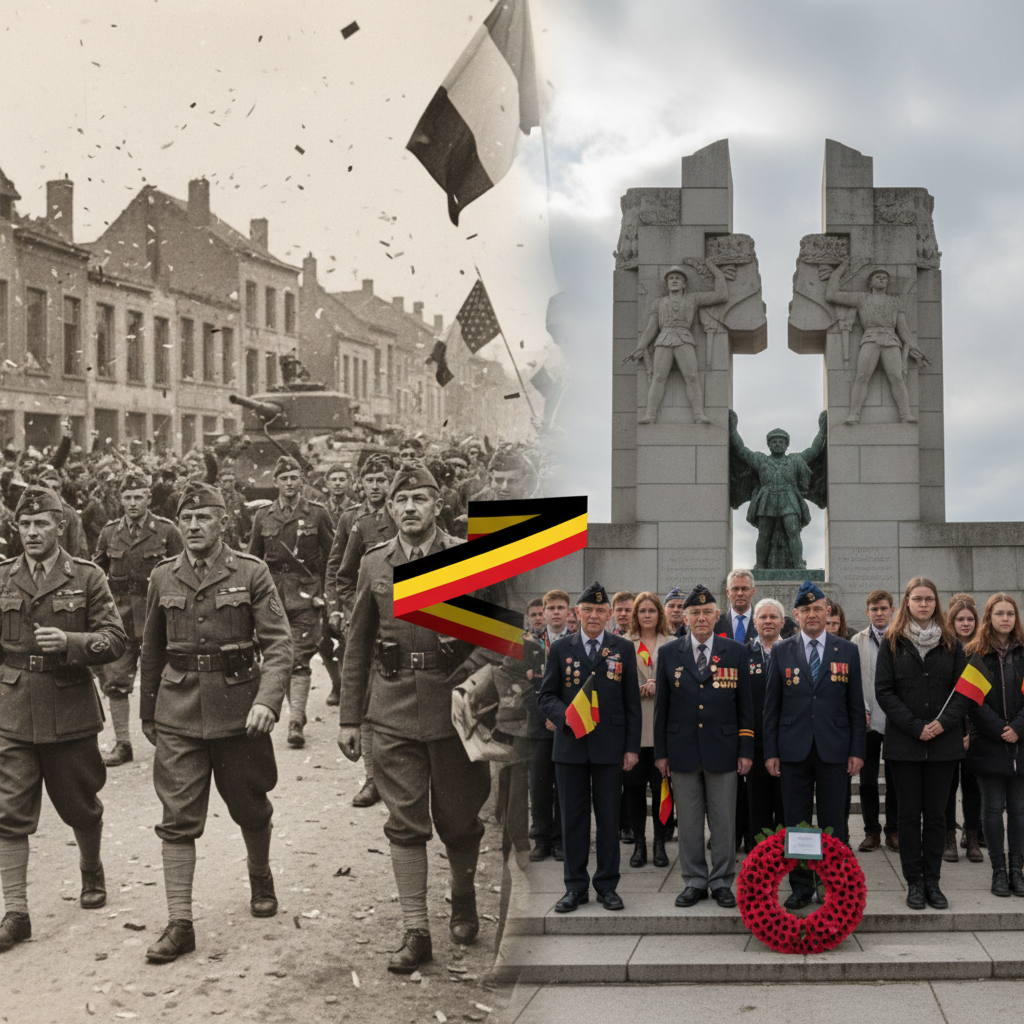
Explore Belgium's complex WWII liberation: from the grueling 1944 push to the brutal Ardennes winter and the profound 75th anniversary commemorations that honored memory and resilience.
You're probably wondering what those final, brutal months of World War II in Belgium were really like. It wasn't just a straight line from the Normandy beaches to victory in 1945. It's a story of cautious hope, fierce fighting in places like the Ardennes, and communities shattered then slowly rebuilt. The 75th anniversary commemorations weren't just about dates in a history book. They were a profound, collective look back at a nation's most defining trauma.
### From D-Day to the Scheldt: The Grueling Push of 1944
Look, I get it. When we think of liberation, we picture the parades and the cheering. The reality? It was a messy, dangerous slog. After the Allies broke out of Normandy in the summer of 1944, Belgian hopes soared. Brussels was liberated in early September by the British Guards Armoured Division, and the reception was genuinely euphoric. Crowds went wild.
But the war wasn't over. Not even close. The port of Antwerp was captured largely intact—a huge deal for Allied supply lines. But the Germans still held the Scheldt estuary, the watery gateway to that port. So the guns just kept firing.
The Battle of the Scheldt, from October to November 1944, was some of the grimmest fighting Canadian and other Allied troops faced. Mud, flooded polders, and determined German defenders. It was a brutal reminder that liberation often came piecemeal, town by painful town.
Speaking of which, the question of 'when was Belgium liberated in WWII' doesn't have a single answer. It depended entirely on where you lived. The first taste of freedom was often followed by the grim work of the Belgian Resistance and the government-in-exile returning to a country scarred by four years of occupation, collaboration, and deprivation.
### The Ardennes Winter: When the War Came Roaring Back
Just when it seemed the worst was past, the sky fell in. December 1944. The Battle of the Bulge, or the Ardennes Offensive. Hitler's last major gamble. For Belgians in the east, especially in towns like Bastogne, St. Vith, and La Roche-en-Ardenne, liberation suddenly reversed into a nightmare.
You had American troops, surrounded and freezing in the harsh winter, holding critical road junctions. You had civilians, who'd just begun to breathe easier, caught in the middle of a massive armored battle. The siege of Bastogne is legendary, but for the locals, it was pure terror. The front line moved back and forth over them.
That period from December 1944 to January 1945 is a stark lesson. Liberation wasn't a linear process. It could be snatched away. The eventual Allied victory in the Bulge in late January 1945 finally secured Belgium's borders for good. But the cost was written on the faces of every survivor and in the rubble of villages that, today, are quiet and picturesque.
### How a Nation Remembers: The 75th Anniversary
So, how does a nation mark 75 years since that? The 75 Jaar Bevrijding commemorations in 2019-2020 weren't your standard, somber ceremonies. Well, they were that too. But they were also about living memory.
- The last veterans sharing their stories.
- The children of the war, now elderly themselves, talking about experiences they'd held for decades.
- Large-scale events at places like the Bastogne War Museum and parachute drops recalling airborne operations.
But the real heart of it was local. It was in the small-town squares where plaques were cleaned and re-dedicated. It was in schools where students interviewed their grandparents. It was in the quiet moments of the Last Post still being played at the Menin Gate in Ypres—a tradition that continued even during occupation and resumed the very evening of liberation.
The commemorations also grappled with the full, uncomfortable picture. They addressed the harsh post-liberation repression of collaborators and the complex legacy of a nation under occupation. It was about more than just military history. It was about the human experience of loss, resilience, and the long road to rebuilding a society.
As one historian noted during the anniversary, "Memory isn't just about looking back. It's about understanding how the past shapes who we are today." That's what made the 75th anniversary so powerful. It connected the strategic maps with the personal stories, the battles with the home fronts, creating a tapestry of remembrance that felt both historical and deeply human.