Belgium Remembers 1944-1945: 75 Years of Freedom
Dr. Annette Baumgartner ·
Listen to this article~5 min
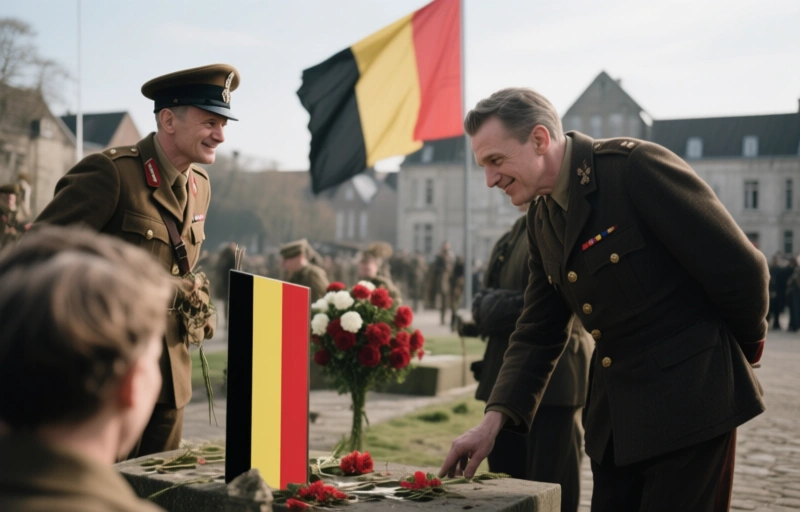
Discover the emotional story of Belgium's liberation from WWII occupation in 1944-1945. From the Battle of the Bulge to 75 years of remembrance, this is a tale of resilience, sacrifice, and the enduring price of freedom.
You're probably wondering what it really felt like when the guns finally fell silent across Belgium in 1944 and 1945. Honestly, it's a story that's as much about resilience as it is about relief. As we mark 75 years since liberation, the memory of World War II in Belgium isn't just history—it's woven into the very cobblestones of our towns and the quiet fields where so much happened. This isn't about dry dates and dusty facts. It's about understanding what those 75 years of freedom mean, and why Belgium remembers with such fierce pride.
### The Long Road to Freedom: 1944 in Belgium
Let's set the scene. By the summer of 1944, Belgium had been under the boot of occupation for four long years. People were tired. Hungry. Scared. But the news of D-Day in June sparked a quiet hope that spread like a whisper through the streets of Brussels, Antwerp, and beyond. The liberation didn't happen overnight—it was a messy, chaotic, and often brutal process. The Allies pushed through in September, with the British Second Army rolling into Brussels on September 3rd, and the Americans not far behind. I remember talking to a veteran once who described the sight of those tanks as "a sunrise after a decade of night." It's that kind of emotion that still hangs in the air. But here's the thing: the liberation of the south and the north, especially the port of Antwerp, was just the beginning. The Germans weren't done. Not by a long shot. And that leads us to the winter of 1944, when Belgium became the stage for one of the largest and bloodiest battles of the war. You can't talk about World War II in Belgium without talking about the Bulge.
### The Ardennes and the Battle of the Bulge: A Winter of Sacrifice
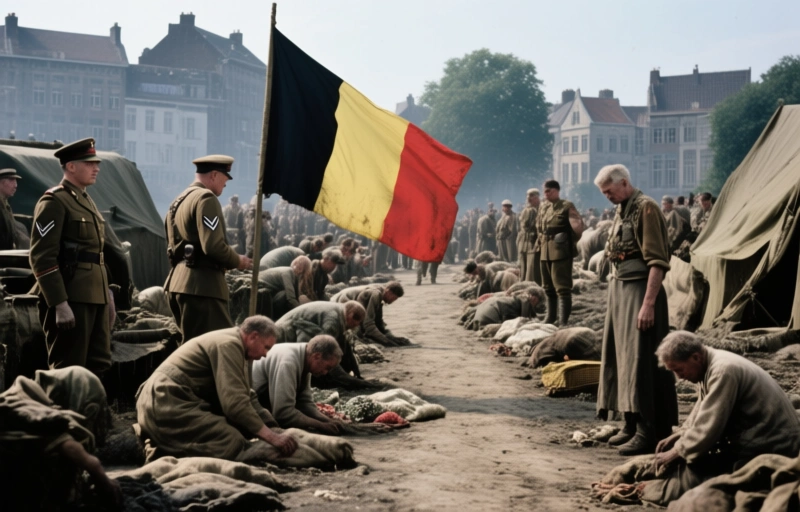
If you've ever driven through the Ardennes in winter, you know how quiet it gets. The fog hangs low. The forests feel dense and ancient. Now imagine that same landscape in December 1944, but filled with the roar of artillery and the crunch of boots in the snow. The Battle of the Bulge—or the Ardennes Offensive, as it's known here—was Hitler's last desperate gamble. He threw everything he had at the Allied lines, hoping to split them and capture Antwerp. It didn't work. But the cost was staggering. Over 19,000 American soldiers died, and countless Belgian civilians were caught in the crossfire. Villages like Bastogne and Malmedy became names etched in memory. If you ever visit the Bastogne War Museum, you'll see a replica of a foxhole. It's small. Damp. You can't help but shiver. That's the thing about 75 years of liberation—it's a reminder that freedom isn't free. It's paid for in frozen fingers and brave hearts. And while the battle ended in January 1945, the war in Belgium didn't truly wrap up until the final German surrender in May. But for locals, the real celebration came earlier—in fits and starts, as each town was finally, truly free.
### How Belgium Remembers Today: 75 Jaar Bevrijding
So, how does a country honor 75 years of liberation? It's not just about parades and speeches, though there are plenty of those. Honestly, the most moving tributes are the quiet ones. The annual commemorations at the Henri-Chapelle American Cemetery, where rows of white crosses stretch into the horizon. The local festivals in villages that still hold ceremonies for the soldiers who died in their fields. And then there are the stories. You'll meet people in their 80s and 90s who remember hiding in cellars, sharing a piece of bread with an American GI, or watching their parents cry with joy when the flags came out. Belgium remembers through education, too. Schools teach World War II as a lesson in humanity—both the darkness and the light. The 75th anniversary in 2019 and 2020 was a big deal, with reenactments, museum exhibits, and special events that brought communities together. But what sticks with you is the personal connection. One local told me, "We don't just remember the war. We remember the people who gave us back our lives." That's the heart of it.
### Why These Stories Matter Today
Think about what 75 years means. That's three generations. Kids today learn about the war from grandparents who were children during the occupation. The memory is still raw, still real. And it shapes how Belgium sees itself—as a crossroads of Europe that survived the worst of humanity and chose to rebuild with hope. Visiting places like the Ardennes American Cemetery or the Bastogne War Museum isn't just about looking back. It's about carrying that lesson forward. So when you hear about Belgium Remembers 1944-1945, know it's not a slogan. It's a promise. A promise to never forget the cost of freedom, and to keep telling those stories until the last echo fades.