What Belgium's 75th Liberation Anniversary Really Teaches Us
Dr. Annette Baumgartner ·
Listen to this article~4 min
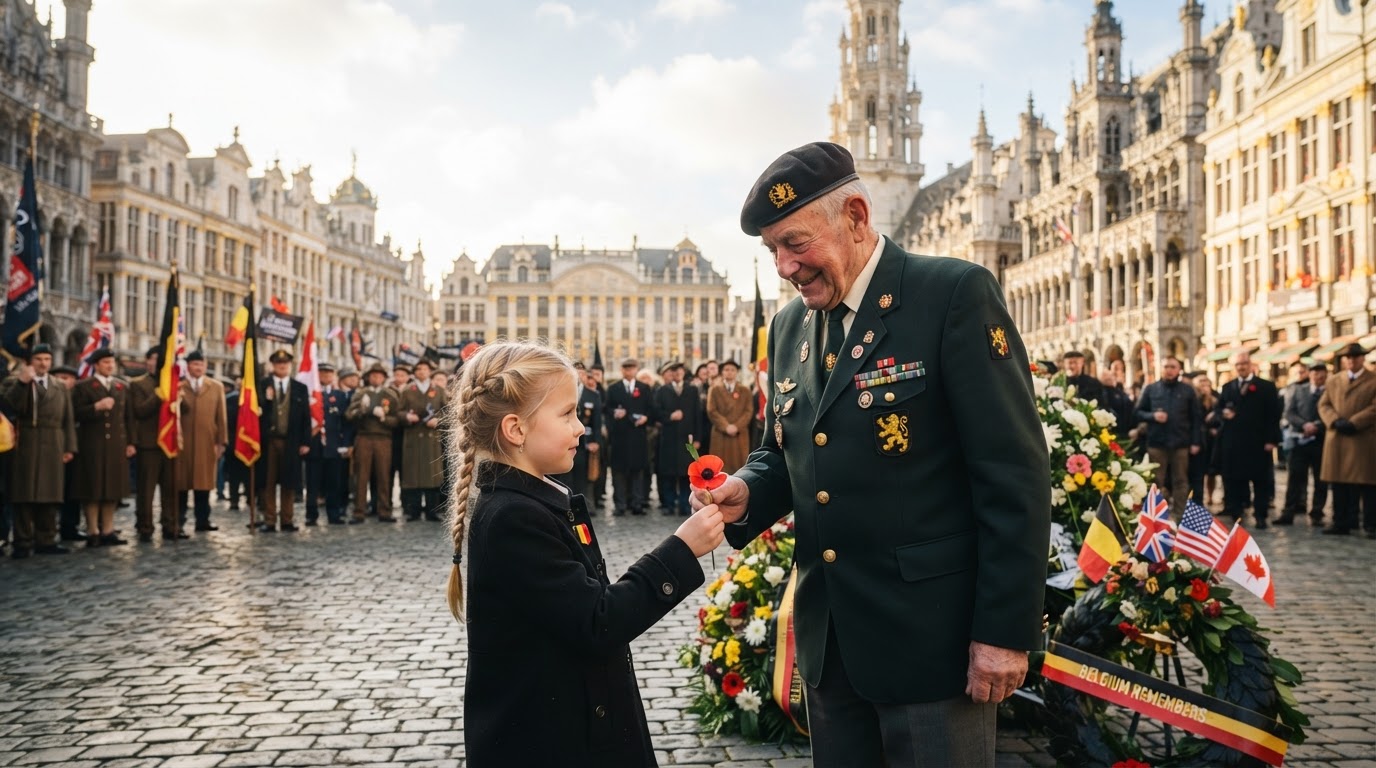
Seventy-five years ago, Belgium was finally free. But liberation wasn't a single moment—it was a messy, deeply human process. Discover how Belgians remember the war, from the Battle of the Bulge to quiet personal stories that still whisper today.
Seventy-five years ago, Belgium finally tasted freedom. The Nazi occupation that had gripped the country since May 1940 came to a grinding halt, and the relief was almost too much to bear. But liberation wasn't a single moment—it was a messy, chaotic, and deeply human process. And today, Belgians still carry its weight.
You're probably wondering how a country remembers something so monumental. Honestly, it's not just about parades and speeches. It's about the quiet stories, the worn-out photographs, and the places where history still whispers. If you've ever stood in a place where something historic happened, you know that feeling—the air seems heavier, the silence louder.
### The Long Road to Freedom
Let's rewind for a second. Belgium's liberation began in September 1944, when Allied troops crossed the border and swept through towns like Brussels and Antwerp. The joy was explosive—people danced in the streets, threw flowers at soldiers, and cried tears of pure relief. But the celebration didn't last long.
The Battle of the Bulge, which raged from December 1944 into January 1945, brought the war right back to the Ardennes. Snow, cold, and terror returned with a vengeance. So when we talk about '75 jaar bevrijding' (75 years of liberation), we're not just celebrating the end. We're remembering that freedom came at a price, and it wasn't always a straight line.
### How Belgium Commemorates Today
Commemoration in Belgium is everywhere—you just have to know where to look. The Royal Museum of the Armed Forces and Military History in Brussels has an entire wing dedicated to the occupation and liberation. And then there are the smaller, more personal memorials.
In Bastogne, the Mardasson Memorial stands as a star-shaped tribute to American soldiers who fought in the Battle of the Bulge. Every year, veterans, families, and schoolchildren gather there. They lay wreaths. They listen to speeches. But the real magic happens in the moments between ceremonies—when an old man points to a name on a wall and says, 'That was my brother.'
Some of the most moving tributes are the least formal:
- Candlelight vigils in village squares
- Letters written by schoolchildren to unknown soldiers
- Temporary exhibitions in town halls and churches
- Guided walks along old battle lines with local historians
### The Power of Personal Stories
You know what really brings history to life? The stories. My grandmother used to tell me about hiding in the cellar during bombing raids. She'd laugh about how her mother would shout at the German soldiers in French, even though she didn't speak a word of it. Those little details—the humor, the fear, the stubbornness—they're what make the past feel real.
That's why projects like 'Belgium Remembers' are so vital. They collect oral histories, scan old photos, and digitize letters. It's a race against time, honestly. The last living witnesses are in their 90s now, and once they're gone, we lose a piece of ourselves.
> "The past isn't gone—it's waiting for you to remember."
So when you visit a museum or attend a ceremony, don't just look. Listen. Ask questions. Because every story matters. And in a world that moves so fast, taking a moment to honor those who came before us is a gift we give ourselves, too.
### Why Visiting Matters More Than Ever
If you're planning to visit Belgium or simply want to honor the past, take a moment to explore the liberation trails or attend a local commemoration. The Ardennes region, with its dense forests and rolling hills, is particularly moving in winter—you can almost feel the cold those soldiers endured. Many towns host annual ceremonies, and the locals are deeply proud of their history.
You don't need a grand plan. Sometimes just walking through a small museum, reading a plaque, or talking to an elderly local can be more powerful than any monument. The past isn't gone—it's waiting for you to remember.